
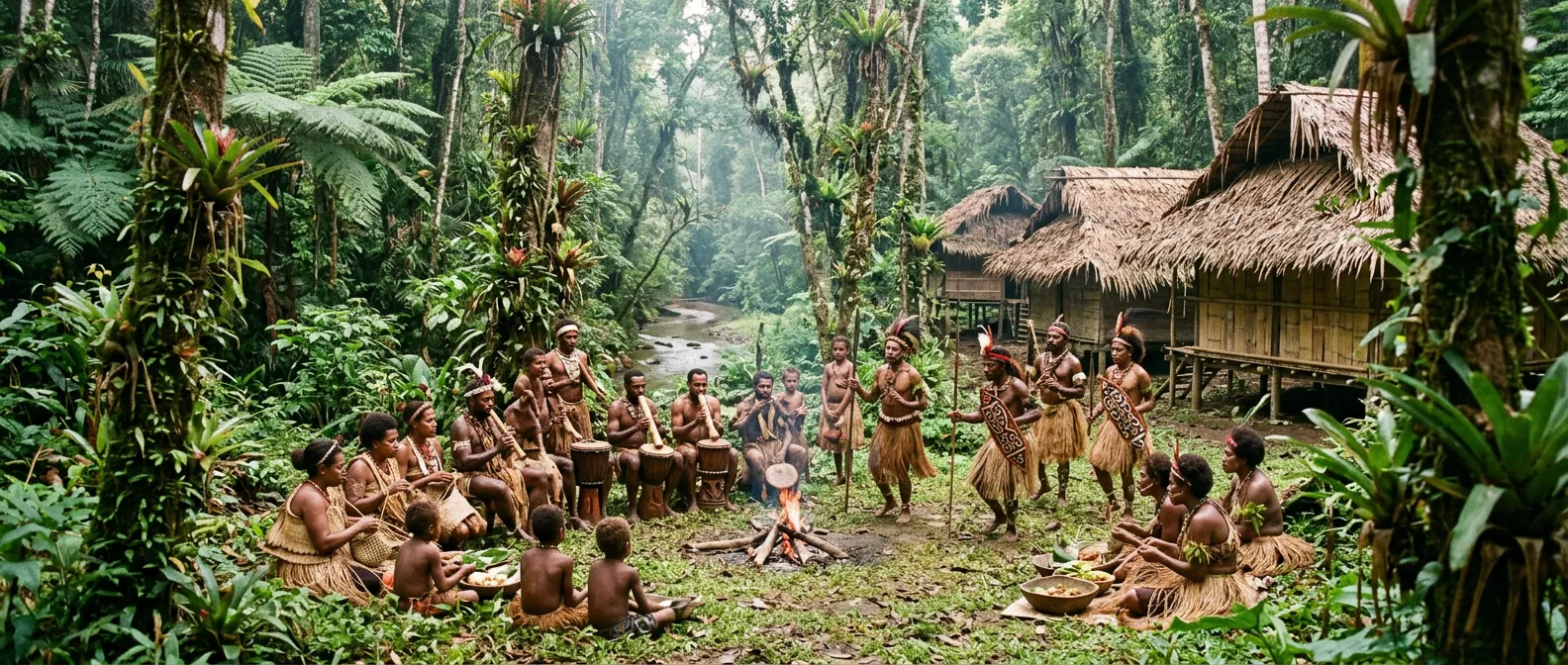
Planning a trip to Papua New Guinea requires careful preparation and awareness of current safety conditions. This comprehensive travel advisory covers everything from government warnings and crime risks to health concerns and natural disasters, helping you make informed decisions before your journey to one of the Pacific’s most extraordinary destinations.
Current Government Travel Advisories
United Kingdom (FCDO)
The UK Foreign, Commonwealth and Development Office advises against all but essential travel to parts of Papua New Guinea, specifically:
- Hela and Southern Highlands Provinces – due to the high risk of tribal fighting
- Enga Province in the Highlands – except Wabag District, which remains relatively safe
The provincial government of Enga has declared all districts except Wabag as “fighting zones,” with authorities reporting deaths, destruction of property, and closure of public services. Checkpoints, random searches, and curfews have been introduced across the region.
Canada (Travel.gc.ca)
Canada advises travellers to avoid non-essential travel to Papua New Guinea due to high levels of crime, inter-ethnic violence, and civil unrest. Since August 2024, inter-tribal armed clashes have intensified in the Porgera Valley of Enga Province, spreading to neighbouring Hela, Southern Highlands, and Western Highlands provinces, including Mount Hagen.
Local authorities have declared a state of emergency with measures including:
- A ban on alcohol sales
- Expanded powers for law enforcement, including use of lethal force against armed individuals
- A nightly curfew from 6 PM to 6 AM
- Roadblocks and ID checkpoints
Australia (Smartraveller)
Australia advises travellers to exercise a high degree of caution in Papua New Guinea overall due to high levels of serious crime. Events drawing large groups – including cultural and sporting events – can turn violent. Protests, civil disorder, and tribal violence can escalate quickly.
As of July 2026, Smartraveller has flagged water supply disruptions in Port Moresby, with Water PNG announcing significant repairs to the city’s ageing infrastructure. These interruptions can affect public health, safety, and sanitation.
United States (State Department)
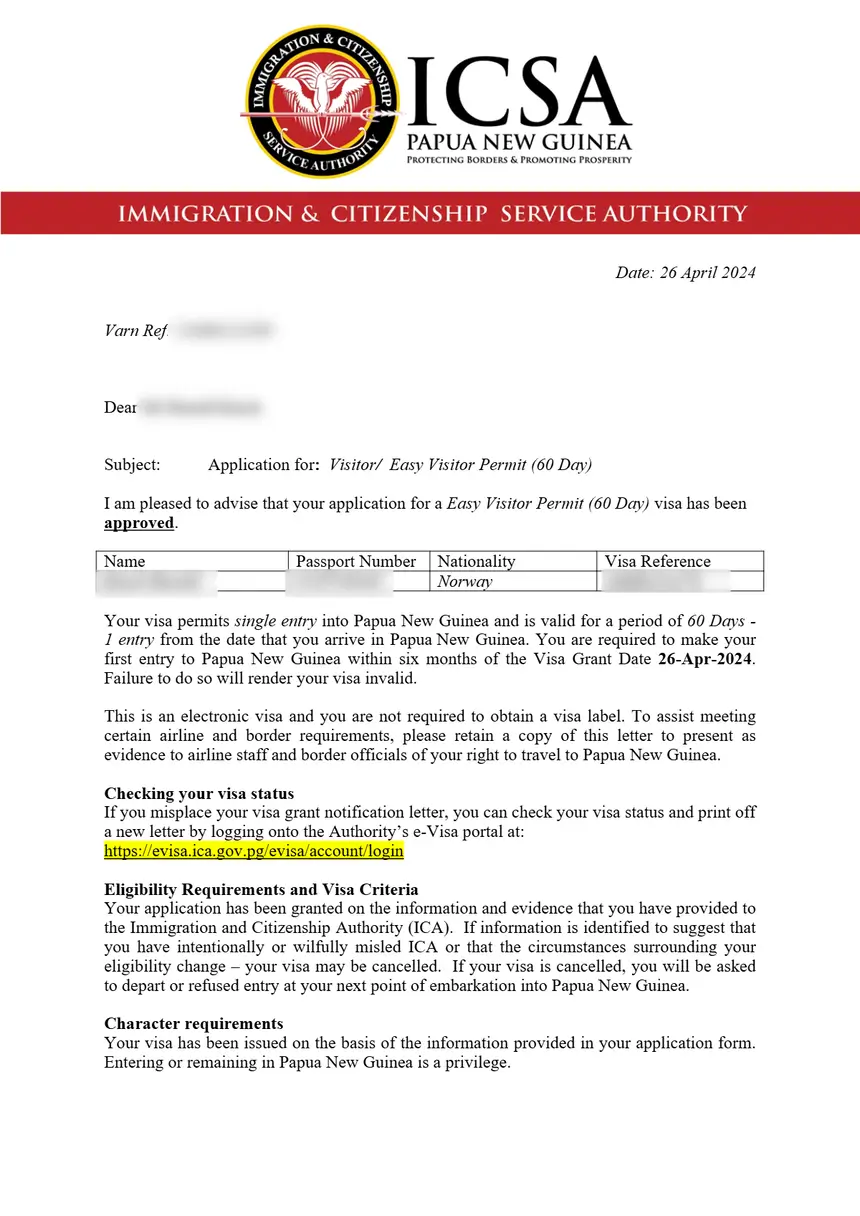
The U.S. State Department assigns Papua New Guinea a Level 2: Exercise Increased Caution advisory, primarily due to crime and civil unrest. U.S. citizens should note they are not eligible for Visa on Arrival and must apply for an eVisa in advance through the PNG Immigration portal.
Crime and Personal Safety
Violent Crime
Violent crime is a serious concern throughout Papua New Guinea, particularly in:
- Port Moresby – the capital experiences high rates of carjacking, home invasion, and armed robbery, especially around Parliament and the Waigani suburb
- Lae – PNG’s second-largest city faces similar crime challenges
- Highlands Provinces – Enga, Hela, and Southern Highlands see frequent tribal violence
Criminals frequently use lethal weapons including firearms and machetes. Foreigners are specifically targeted at hotels, restaurants, bars, markets, and tourist areas.
Petty Crime
Pickpocketing and purse snatching occur regularly, particularly in public markets. Visitors should:
- Keep belongings secure at all times, including passports and travel documents
- Avoid displaying signs of affluence or expensive jewellery
- Carry only small amounts of cash
- Use hotel safes for valuables
Carjacking and Road Crime
Carjacking is prevalent in Port Moresby and along the highway between Lae and Lae Nadzab Airport, particularly in the Two-Mile and Nine-Mile settlement areas. Violent attacks on vehicles along the Highlands Highway also occur, especially between Goroka and Kainantu.
Criminals may attempt to open car doors in slow traffic, assault victims during robberies, or demand tolls at illegal roadblocks.
Safety tips for road travel:
- Drive with windows up and doors locked at all times
- Avoid travel after dark
- Do not leave personal belongings visible in your vehicle
- Consider hiring private security for longer journeys
Civil Unrest and Tribal Violence
The Highlands Crisis
Since August 2024, inter-tribal armed clashes have escalated significantly across the Highlands region. The conflict originated in the Porgera Valley of Enga Province and has spread to Hela, Southern Highlands, and Western Highlands provinces. Key developments include:
- State of emergency declared in affected areas
- Nightly curfews enforced from 6 PM to 6 AM
- Alcohol sales bans in effect
- Armed checkpoints and ID verification
- Closure of public services in some areas
Demonstrations
Protests and demonstrations occur periodically in Port Moresby, Lae, and Mount Hagen. Even peaceful demonstrations can turn violent without warning and may disrupt traffic and public transportation.
Health Risks
Tropical Diseases
Papua New Guinea presents several significant health risks:
- Malaria – widespread throughout the country; antimalarial medication is strongly recommended
- Dengue fever – present in urban and rural areas
- Tuberculosis – rates remain high
- Vaccine-derived polio – cases have been reported; ensure vaccinations are current
- Measles and rubella – outbreaks reported as recently as 2026
- Zika virus – potential risk in tropical areas
Medical Facilities
Medical care in PNG is extremely limited outside Port Moresby. The main hospitals – Port Moresby General Hospital and Angau Memorial Hospital in Lae – often lack supplies, equipment, and specialist staff. Serious medical emergencies typically require evacuation to Australia.
Anti-venom treatment for snake bites can cost up to CAD $6,000 (approximately USD $4,400). Medical evacuation insurance is essential.
Water and Sanitation
Water supply disruptions are frequent throughout PNG. Port Moresby’s water utility is undertaking urgent repairs to ageing infrastructure. Extended outages can severely impact public health and sanitation. Travellers should:
- Drink only bottled or purified water
- Carry sufficient water supplies at all times
- Monitor Water PNG updates for the latest information
Recommended Vaccinations
Before travelling to PNG, consult a travel health specialist at least 6 weeks before departure. Recommended vaccinations include:
- Hepatitis A and B
- Typhoid
- Yellow fever (required if arriving from an endemic country)
- Tetanus-diphtheria booster
- Measles-mumps-rubella (MMR)
- Polio booster
- Rabies (for extended stays or adventure travel)
- Japanese encephalitis (for rural travel)
Natural Disasters and Climate
Seismic Activity
Papua New Guinea sits on the Pacific Ring of Fire and experiences frequent earthquakes and volcanic activity. The country has several active volcanoes, including:
- Mount Ulawun (New Britain) – one of the world’s most dangerous volcanoes
- Manam Island volcano
- Rabaul caldera
Tsunamis are a risk following significant seismic events. Familiarize yourself with evacuation routes at your accommodation.
Flooding and Landslides
The rainy season (November to April) brings heavy rainfall that can cause flash floods and landslides, particularly in the Highlands. Roads may become impassable, and river crossings can be extremely dangerous during this period.
Cyclones
While PNG is less directly affected by cyclones than some Pacific neighbours, tropical storms can bring heavy rain and flooding, particularly in coastal and island areas.
Specific Area Warnings
Bougainville Island
Despite the 2019 independence referendum, Bougainville remains a complex security environment:
- No tourist facilities exist in the area
- Transportation options are extremely limited
- Risk of violence persists in the central mountainous area around the Panguna mine
- Special permission is required to enter restricted areas
- Unexploded ordnance and landmines remain from the civil conflict
Kokoda Track
The famous Kokoda Track attracts trekkers worldwide but carries significant risks:
- Attacks on trekkers have occurred
- Facilities along the track are very limited
- Local communities can block the track at short notice
- Always hire an experienced guide from a reputable company
- Purchase travel insurance that includes helicopter rescue and medical evacuation
Unexploded Ordnance
From World War II, unexploded ordnance and landmines remain present on many islands, including Bougainville and East New Britain. Never walk or hike off marked roads and trails.
Practical Safety Tips
Accommodation Security
- Choose hotels with 24-hour security and secure parking
- Verify that rooms have functioning locks and safes
- Keep doors and windows locked at all times
- Avoid ground-floor rooms when possible
Transportation
- Arrange hotel or private transportation whenever possible
- Avoid public buses (PMVs) and unmarked taxis
- Have someone meet you at the airport, especially for evening arrivals
- Never travel alone, particularly after dark
Communication
- Purchase a local SIM card (Digicel or bmobile) for reliable communication
- Share your itinerary with family or colleagues
- Register with your country’s embassy or consular services
- Keep emergency numbers saved: Police 112, Medical 111, Fire 110
Insurance
Comprehensive travel insurance is absolutely essential for PNG. Ensure your policy covers:
- Medical evacuation to Australia
- Helicopter rescue (for trekking)
- Hospitalisation and emergency treatment
- Trip cancellation and interruption
- Personal belongings and theft
Entry Requirements Summary
| Requirement | Details |
|---|---|
| Visa | Required for all nationalities; apply via eVisa portal |
| Passport validity | Minimum 6 months from entry date |
| Digital Arrival Card | Required; submit up to 72 hours before arrival |
| Return ticket | May be required to show at immigration |
| Proof of funds | May be requested by customs officials |
Emergency Contacts
| Service | Number |
|---|---|
| Police | 112 |
| Medical emergency | 111 |
| Fire and rescue | 110 |
| Australian High Commission (Port Moresby) | +675 325 9333 |
| U.S. Embassy (Port Moresby) | +675 321 1455 |
| British High Commission | +675 325 1475 |
Final Thoughts
Papua New Guinea offers extraordinary cultural diversity, pristine natural environments, and some of the world’s best diving and trekking. However, the security situation requires serious preparation. By staying informed of current advisories, taking appropriate precautions, and maintaining awareness of your surroundings, you can minimise risks and enjoy what this remarkable country has to offer.
Always check the latest travel advisories from your government before departing, and consider registering with your embassy upon arrival in Port Moresby.